
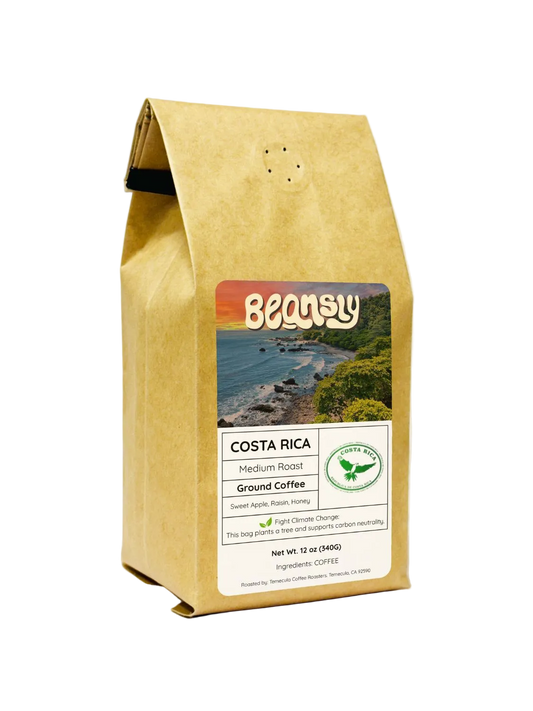
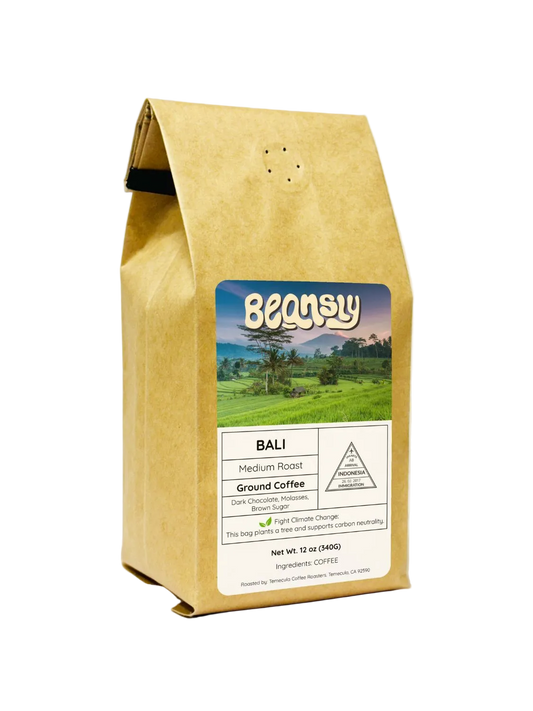

Coffee doesn't just come from a bean. It comes from a place.
And that places the climate, the soil, the altitude, the way it's harvested and processed has everything to do with what ends up in your cup. It's why one coffee can taste bright and citrusy while another feels deep and chocolatey, or smooth and nutty. Not better or worse. Just different. Just somewhere.
Terroir Is Real - and Coffee Has It
Wine drinkers know the concept of terroir, the idea that place shapes flavor in ways that can't be replicated. Coffee works the same way, and once you understand that, every cup becomes more interesting.
The world's coffee grows in a band around the equator called the coffee belt, but conditions vary dramatically within it. Altitude, rainfall, soil composition, temperature swings between day and night, all of it influences how the bean develops and what flavors it carries into the roast.
A few patterns worth knowing:
Altitude — Higher elevations slow the growing process, allowing sugars to develop more complexity. This tends to produce brighter acidity, more intricate flavor, and a cleaner finish. Lower altitudes typically yield smoother, fuller-bodied cups.
Climate — Rainfall and dry seasons shape when coffee is harvested and how it's processed. Wet climates often support washed processing, which produces clean, bright cups. Drier regions favor natural processing, which adds fruit-forward sweetness and body.
Soil — Volcanic soil found across Ethiopia, Guatemala, Bali, Costa Rica, and Kenya is particularly prized. It's rich in minerals, drains well, and gives coffee a distinctive depth that other soils simply don't produce.
What This Looks Like Around the World
These aren't rigid rules; every farm, every season, every cooperative tells its own story. But broadly speaking:
African coffees like Ethiopia and Kenya tend to be bright, aromatic, and fruit-forward, think berry, citrus, floral notes, and bold acidity that wakes up your palate.
Central American coffees like Guatemala, Costa Rica, and Honduras tend to balance sweetness and acidity. Chocolate, caramel, nougat, and stone fruit are common across the region.
South American coffees like Colombia, Peru, and Brazil tend toward smooth, nutty, and chocolatey profiles approachable, full-bodied, and easy to love.
Southeast Asian coffees like Bali tend to be earthy, rich, and full-bodied, with lower acidity, deeper roast character, and a smooth finish that lingers.
The Tasting Notes Aren't Added
When you see flavor descriptors like citrus, cocoa, caramel, or spice on a coffee bag, those aren't ingredients. They're naturally occurring characteristics shaped by where the coffee was grown and how it was processed. Specialty roasters use those notes to help you understand what you're tasting, not to sell you a flavored coffee.
Your palate is the guide. There are no wrong answers, only origins you haven't tried yet.
Every Cup Has a Story
Understanding where coffee comes from doesn't require a degree in agronomy. It just requires curiosity and a willingness to let the cup take you somewhere.
That's what Beansly is built around. Not just coffee. A destination.
Taste the world. One cup at a time.